9 Things to Do in Ravello Beyond Villa Cimbrone
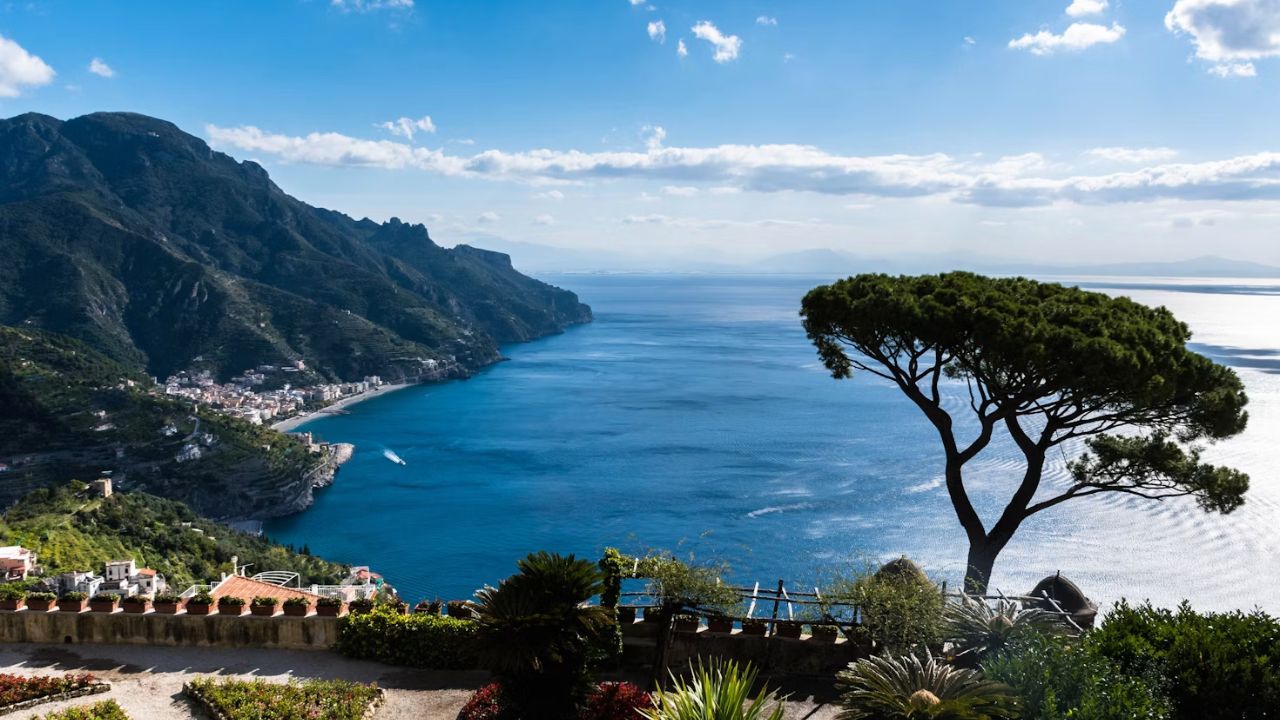
Most visitors arrive in Ravello, walk straight to Villa Cimbrone, stand on the Terrace of Infinity for twenty minutes, snap a few photos, and leave. And honestly? That terrace deserves every bit of attention it gets. Gore Vidal called the view from it the finest in the world. But here is what gets missed: Villa Cimbrone is one part of a town that has been quietly captivating writers, musicians, and wanderers for over a thousand years.
So what are the best things to do in Ravello once the Terrace of Infinity photos are done?
Plenty. This hilltop town, perched about 350 meters above the Amalfi Coast, has layers that most day trippers never peel back. From 11th-century bronze doors to a Brazilian architect's auditorium that divides opinion to this day, Ravello rewards anyone willing to slow down.
Here are nine worth carving out time for.
1. Explore Villa Rufolo and Its Gardens
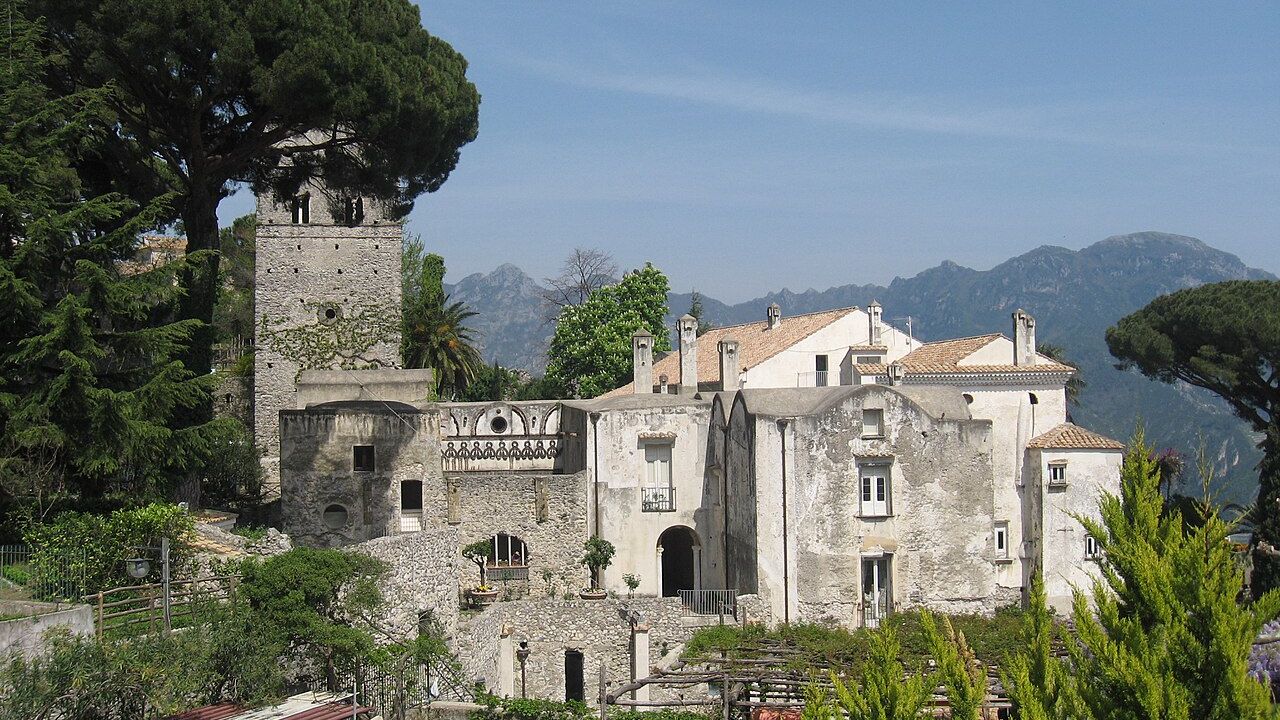
If Villa Cimbrone is the dramatic lead, Villa Rufolo is the scene stealer. Sitting right on Piazza Duomo, this 13th-century estate blends Italian, Byzantine, and Arab architectural styles in a way that feels almost impossible. The terraced gardens cascade toward the sea, and on a clear day the views reach past Minori all the way to the open Tyrrhenian.
But here is the detail most guides skip. Richard Wagner visited Villa Rufolo in 1880, saw these gardens, and declared he had found the inspiration for Klingsor's enchanted garden in Parsifal. That single visit changed the cultural identity of the entire town. Ravello eventually became known as "la citta della musica" because of it.
Good to know:
- Entry is separate from the Ravello Festival concerts
- The gardens are best experienced in the morning or late afternoon when tour bus crowds thin out
- Spring visitors (April through May) catch wisteria in peak bloom
2. Catch a Concert at the Ravello Festival
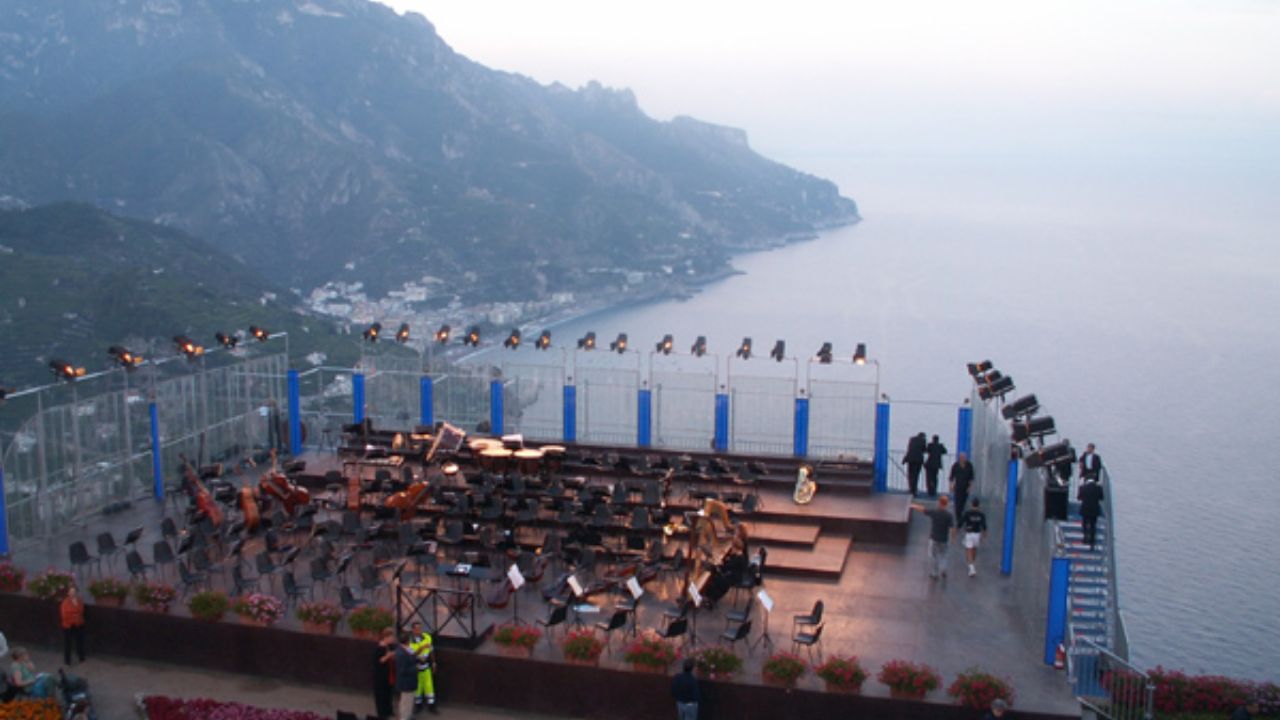
Speaking of Wagner's legacy. The Ravello Festival has been running since 1953, and the 74th edition in 2026 spans from July 4 through September 5 with over 20 performances. The main stage? It is built right into Villa Rufolo's Belvedere terrace, suspended above the coast with a direct drop to the sea hundreds of meters below.
The programming covers orchestral, opera, baroque, and jazz. And there is a sunrise concert on August 11 that starts at 4:45 AM. The orchestra plays as dawn breaks over the mountains. It sells out months in advance, which tells you something.
| Detail | Info |
|---|---|
| Dates (2026) | July 4 to September 5 |
| Venues | Belvedere di Villa Rufolo, Piazza Duomo, Church of San Giovanni del Toro, Hall of the Knights |
| Ticket prices | From around €20 (under 26) to €60 |
| Box office | Piazza Duomo, Ravello |
The festival extends into early September, which also happens to be one of the best months to visit the coast overall. Fewer crowds, cooler temperatures, and lower hotel prices make it a sweet spot. Here is a closer look at what the Amalfi Coast in September is really like.
Tickets should be booked through official channels early. The venue seats about 1,200 people, and the popular shows disappear fast.
3. Walk the Stairway Down to Atrani
This one is a sleeper pick among things to do in Ravello. Near Villa Cimbrone, there is a trailhead marked with a tile sign pointing toward Atrani. What follows is roughly 1,500 to 1,700 stone steps winding downhill through lemon groves, olive orchards, crumbling stone terraces, and tiny houses that most tourists never even know exist.
The walk takes about two hours and ends in the main piazza of Atrani, one of the smallest municipalities in all of Italy. From Atrani, it is a short stroll along the ocean to Amalfi town.
A few practical notes:
- Wear proper closed-toe shoes with grip. This is not a flip-flop trail
- Bring water. There are fountains along the route, but they can be spaced out
- The trail is mostly downhill, but that means a lot of impact on your knees
- You can bus back up to Ravello from Atrani or Amalfi
The atmosphere along this path feels like a completely different world from the polished villas above. It is rural, overgrown in places, and surprisingly quiet.
4. Step Inside Ravello Cathedral (Duomo di Ravello)
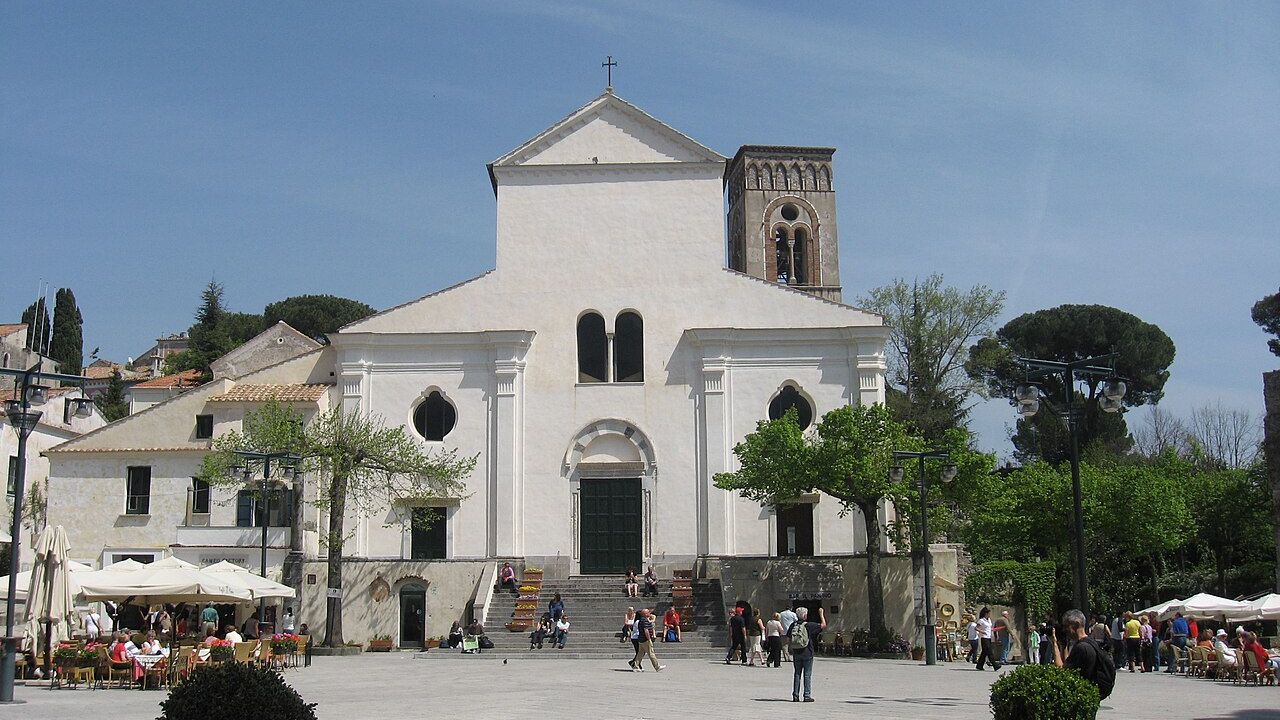
The white facade of the Duomo sits right on Piazza Duomo, and most people walk past it without going in. That is a mistake. Built in the 11th century with support from the Rufolo family, this cathedral combines Romanesque and Baroque styles after nine centuries of modifications.
Inside, there are two artifacts that genuinely stop people in their tracks. The first is a massive 12th-century bronze door covered in detailed panel work. You can only see it from the interior, since the outside is covered for preservation. The second is a 13th-century marble pulpit decorated with intricate mosaics and lion statues. The craftsmanship is remarkable for its age.
The cathedral also houses the Chapel of St. Pantaleone, Ravello's patron saint. If visiting on July 26 or 27, the Festa di San Pantaleone celebrates the traditional miracle of the liquefaction of the saint's blood. It is a deeply local event, and watching it unfold gives a real sense of how much this town values its traditions.
5. See the Auditorium Oscar Niemeyer
This one sparks debate. And that is part of why it is interesting. Designed by the legendary Brazilian architect Oscar Niemeyer (one of his final projects before his death in 2012), this gleaming white auditorium sits on Via della Repubblica, about 100 meters from the tunnel leading into the old town center.
The modernist structure is a dramatic contrast to Ravello's medieval character. Some people think it is brilliant. Others call it an eyesore. Either way, it seats 400, hosts concerts and art exhibitions during the festival season, and offers a view of the Mediterranean through a porthole behind the orchestra that is genuinely stunning.
Even without attending an event, the exterior and adjacent plaza make for a striking photo opportunity.
6. Visit the Church of San Giovanni del Toro
Smaller and far less crowded than the Duomo, this church sits on Piazza San Giovanni del Toro and tends to fly under the radar. Which is unfortunate because the interior features carved columns, rounded arches in a 12th-century nave, and (surprisingly) a glass floor section that reveals archaeological remains below.
It also serves as one of the secondary venues for the Ravello Festival. Catching a chamber concert here is an intimate, unforgettable experience compared to the larger Belvedere stage.
7. Browse Via Roma for Ceramics and Limoncello
Via Roma is short and narrow but packed with artisan shops, galleries, gourmet stores, and ceramic workshops. It runs from Piazza Duomo to a small square beside the Chiesa di Santa Maria a Gradillo, passing through a tunnel section that genuinely feels like stepping back into the Middle Ages.
Ravello ceramics are hand-painted in bold Mediterranean yellows, blues, and greens. Often with the classic lemon motif that has become synonymous with the Amalfi Coast.
Spots worth noting along the way:
- Ceramiche Cosmolena for hand-painted lemon-themed pottery
- Camo on Piazza Duomo for cameo jewelry with a small museum behind the shop
- I Giardini di Ravello for artisan limoncello and herb-infused liqueurs
- Wine & Drugs for an impromptu wine tasting with a name that draws people in every time
Shopping in Ravello feels noticeably less touristy than in Positano or Amalfi. The pace is slower, the shop owners are chattier, and the products tend to lean more artisan than mass produced.
8. Take a Cooking Class or Wine Tasting
This is one of those things to do in Ravello that turns a good trip into a memorable one. Several operators offer hands-on cooking classes where participants make fresh pasta, prepare traditional Neapolitan recipes, and learn to pull mozzarella from scratch. The classes often include garden tours and end with everyone sitting down to eat what they cooked, paired with local wine.
For those who want to combine the scenic coastal drive with a hands-on kitchen experience, the Private Amalfi Coast Scenic Drive and Cooking Class bundles both into a single day, with a farmhouse session using fresh seasonal ingredients.
For wine specifically, a short trip from Ravello to the nearby village of Furore leads to Cantine Marisa Cuomo, a winery known for its dramatic cliffside pergola vineyards and native grape varieties like Tintore and Sciascinoso. The tasting experience there is surprisingly effective at showing what Campanian wine can really be.
9. Slow Down in Piazza Duomo
Not everything needs to be an activity. One of the most rewarding things about Ravello is simply sitting in Piazza Duomo with a spritz or an espresso and watching the afternoon drift by. Cafes line the square. The Duomo rises on one side. Umbrella pines frame views out toward the sea.
This is the kind of travel that does not show up on a highlight reel but stays with people longer than any villa ticket. Grab a gelato from one of the shops off the piazza, find a bench, and just be there.
FAQs
Is Ravello worth visiting if not going to Villa Cimbrone?
Absolutely. Villa Cimbrone is spectacular, but Ravello's cathedral, the Ravello Festival, its hiking trails, ceramic artisan shops, and cooking classes all make the town worth a full day or more on their own.
How much time should visitors spend in Ravello?
A half day covers the highlights if time is tight. But to really experience the town, from the villas to the walking trails to a long lunch in Piazza Duomo, a full day or an overnight stay is ideal. Staying the night also means catching the town after the day-trippers leave, which is a completely different (and calmer) experience.
When is the best time to visit Ravello?
April through June and September through October offer the best balance of good weather, fewer crowds, and pleasant temperatures. July and August bring the Ravello Festival but also peak tourist traffic. Early mornings and late afternoons are the sweet spot in summer.
Can visitors walk from Ravello to the coast?
Yes. The walk from Ravello down to Atrani is about 1,500 stone steps through lemon groves and countryside, taking roughly two hours. A similar trail leads to Minori. Both are mostly downhill and end at the sea. Good footwear is essential, and a bus ride back up to Ravello is the easiest return option.