Where Can You Actually Taste Real Limoncello on the Amalfi Coast?
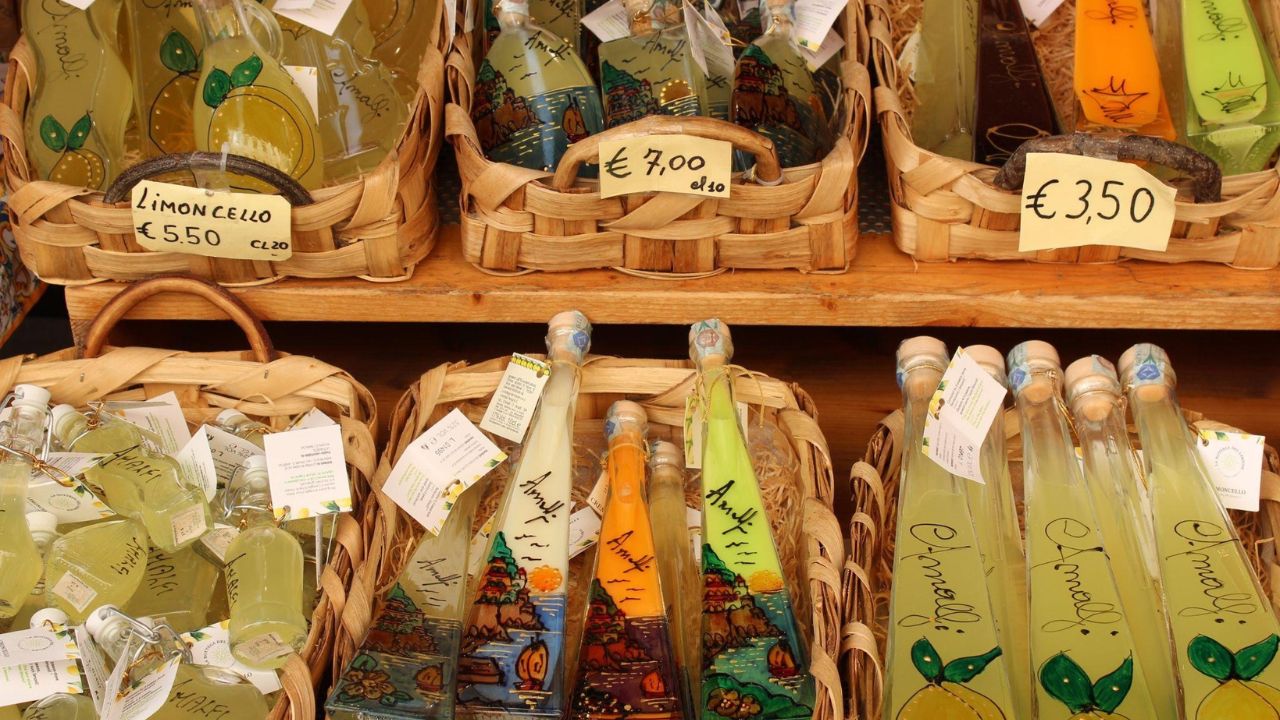
The best places to taste authentic limoncello on the Amalfi Coast are family-run producers and lemon groves in Amalfi town, Minori, Conca dei Marini, and Sorrento. Look for small-batch operations using local Sfusato Amalfitano or Limone di Sorrento IGP lemons. Spots like Antichi Sapori d'Amalfi, the Amalfi Lemon Experience, Lemon Tour De Riso in Minori, and I Giardini di Cataldo in Sorrento all offer tastings direct from the source. And honestly, these are worlds apart from the neon-yellow bottles stacked in every tourist shop window.
The Problem Nobody Talks About
Here's the thing. Italy produces roughly 30 million litres of limoncello every year. The vast majority of that? Industrial. We're talking conventionally grown lemon peels (often sourced from Spain or Argentina), synthetic flavoring, artificial yellow coloring, and stabilizers that stretch the shelf life to two or three years. That's the stuff filling the shelves of tourist shops from Sorrento to Venice.
So when someone visits the Amalfi Coast, grabs a decorative ceramic bottle near the port, and takes it home thinking they've got the real deal... they probably don't.
Bad limoncello tastes like window cleaner. Good limoncello tastes like bottled sunshine. The gap between the two is huge, and knowing where to find the real thing is half the battle.
What Makes Limoncello on the Amalfi Coast Different
The secret isn't some complicated distillation process. The recipe itself is almost absurdly simple: lemon peels, grain alcohol, sugar, and water. Four ingredients. That's it.
The magic is entirely in the raw material.
Limoncello Amalfi Coast producers use the Sfusato Amalfitano, an IGP-protected lemon variety grown exclusively across 12 coastal municipalities. These lemons are unlike anything at a typical grocery store. They're elongated (the name "sfusato" literally means spindle-shaped), with thick peels packed with aromatic essential oils and terpenes. The flesh is low in acidity with a gentle sweetness. And the peel, which is what actually matters for limoncello, carries floral notes of jasmine and verbena that commercial lemons simply cannot replicate.
These lemons grow on ancient terraced hillsides, often under traditional wooden pergola structures called pagliarelle. The Lattari Mountains shield them from cold northern winds while the Mediterranean sun does the rest. It's a microclimate that has produced exceptional citrus for centuries.
Because the peel goes directly into alcohol during maceration, everything in that peel gets extracted. Including, unfortunately, any pesticide residues. Which is exactly why artisan producers insist on chemical-free, unwaxed lemons. The IGP designation isn't just a marketing label. It guarantees origin, growing methods, and a fundamentally different product.
Where to Actually Taste the Real Thing
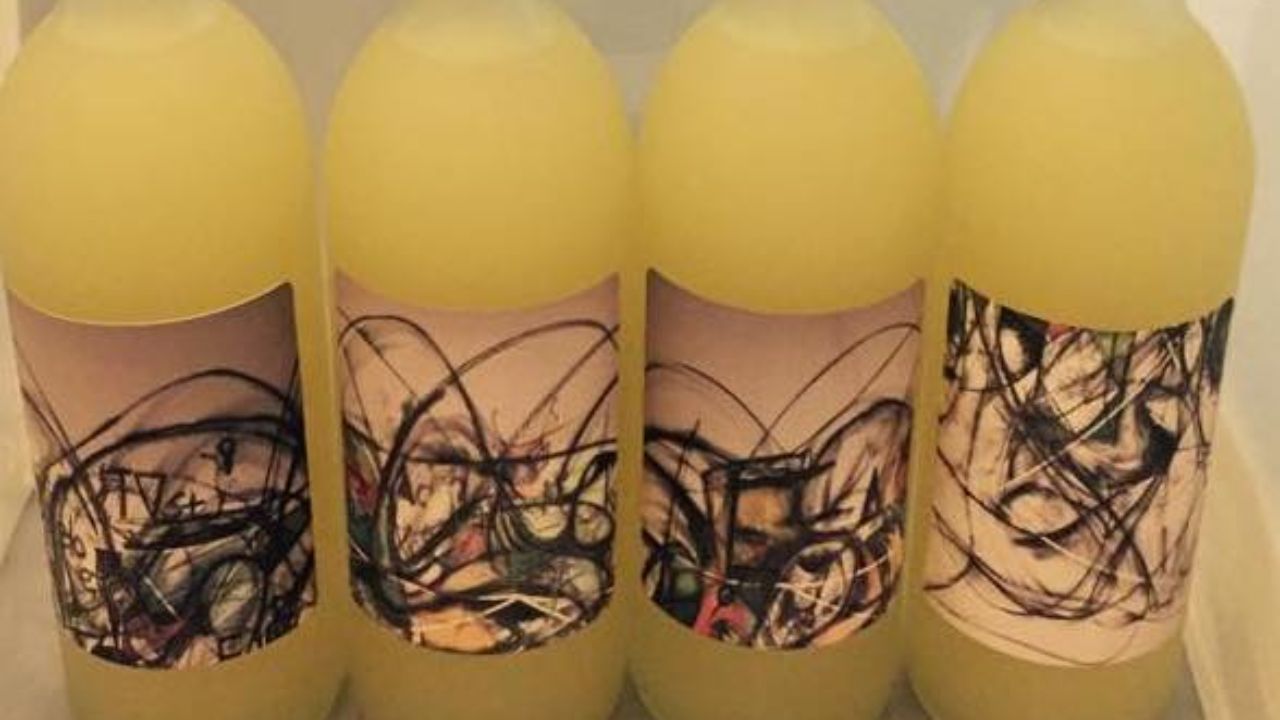
Not every "limoncello tasting" on the coast is created equal. Some are glorified gift shops with a sample cup at the end. Others are genuine agricultural experiences where visitors walk through working lemon groves, see the maceration jars up close, and taste a product that was bottled weeks ago, not years.
Here are the spots worth the detour:
| Producer / Experience | Location | What To Expect |
|---|---|---|
| Antichi Sapori d'Amalfi | Amalfi (Piazza Duomo) | Family-run since 1989. The only limoncello factory in the heart of Amalfi town. Traditional and experimental flavors (juniper, peppermint). Looks touristy from outside but it's the real deal. |
| Amalfi Lemon Experience | Amalfi | Organic family-owned grove run by the Aceto family for six generations. Full lemon tour, cooking class, and tasting. |
| Lemon Tour De Riso | Minori | Guided tour through a working lemon grove and limoncello factory. Elena, the guide, is consistently praised for her depth of knowledge. |
| Amalfi Historical Garden | Amalfi (Via per Pontone) | Ancient terraced gardens with organic lemon cultivation. Includes limoncello tasting in a stunning historical setting. |
| Chef Fiore's Lemon Tour | Conca dei Marini | 3-hour tour covering cultivation, hands-on limoncello making, and a lemon-themed lunch. Around €50 per person. |
| I Giardini di Cataldo | Sorrento | Free entry to a lemon grove in central Sorrento. Tastings of limoncello and other liqueurs. Family-run with production viewable through the workshop windows. |
A quick note: the Sorrento area uses a different IGP lemon variety, the Limone di Sorrento (also called Femminello Ovale). It produces a slightly different limoncello with a more purely citric character compared to the floral Sfusato Amalfitano. Both are exceptional. Both are legitimate. But they are distinct, which is something most visitors never realize.
For those who want to walk through the terraced lemon groves themselves rather than just visiting a shop, the Lemon Path Hike & Farm Experience follows the historic Sentiero dei Limoni trail between Minori and Maiori, with a local tasting session included.
How to Spot Real Limoncello (And Avoid the Fakes)
Walking into a random shop and picking up whatever bottle looks prettiest is a gamble. Here's what to look for instead:
- Color: Authentic artisan limoncello is slightly cloudy with a pale yellow-gold hue. If it's bright neon yellow and crystal clear, that's almost certainly industrial coloring.
- Label: Look for "Limone di Sorrento IGP" or "Limone Costa d'Amalfi IGP" on the label. Also check for "Produzione Artigianale" (artisanal production).
- Ingredients: The list should be short. Lemon peel, alcohol, sugar, water. If you see "aromi" (flavoring) or "colorante" (coloring), walk away.
- Price: Artisan limoncello typically costs €15-25 for a 500ml bottle, direct from producers. If you're paying €12 for a giant decorative bottle, it's probably industrial.
- The producer test: If you can see the maceration jars and the actual lemon peels, you're almost certainly in the right place. Buy where they make it, not where they just sell it.
Best Time to Visit for Lemon Season
Sfusato Amalfitano lemons are harvested multiple times per year, but the peak season runs from late February through October. June is widely considered the sweet spot. The weather is gorgeous, the lemons are at their most fragrant, and the summer tourist crush hasn't fully arrived yet.
That said, restaurants across the Amalfi Coast serve limoncello year-round as a complimentary after-dinner digestif. So even a December visit won't leave anyone empty-handed. But for the full lemon grove experience, walking through terraces heavy with fruit and watching the production process in action, spring and early summer are unbeatable.
A full-day private tour through Positano, Amalfi, and Ravello is one of the easiest ways to cover all three towns in a single day and build in limoncello stops along the way.
Why This Matters for Planning an Amalfi Coast Trip
Most visitors treat limoncello as an afterthought. A souvenir grabbed at the last minute. But tasting real, artisan limoncello on the Amalfi Coast is one of those experiences that redefines what a simple liqueur can be. It connects visitors to the terraced hillsides, to the families who have cultivated these lemons for generations, and to a culinary tradition that predates modern tourism by centuries.
Plus, a 3-hour lemon tour with a cooking class and lunch? That's a genuinely memorable half-day activity. Visitors looking to go beyond tasting and actually cook with Amalfi lemons can book a private cooking class at a family-run farmhouse in the hills above the coast, where dishes like handmade lemon pasta are prepared from scratch using local ingredients.
The difference between tasting industrial limoncello from a tourist shop and sipping a freshly made batch under a canopy of Sfusato Amalfitano trees is the difference between reading about a place and actually being there.
FAQs
What is the difference between limoncello and limoncino?
Limoncello is the Campanian version (from the Amalfi Coast and Sorrento area), made with local IGP lemons. Limoncino is the name used along the Ligurian coast, particularly around Cinque Terre, where it's made with a different, slightly more acidic local lemon variety. Same concept, different regional lemons and naming traditions.
How should limoncello be served for the best taste?
Always ice-cold. Store the bottle in the freezer and serve in small chilled ceramic cups or shot glasses. Temperature makes a massive difference. Served warm, even good limoncello becomes overly sweet and boozy. Served properly cold, the citrus aroma opens up, and the sweetness stays balanced.
Can visitors bring limoncello home from the Amalfi Coast?
Yes, but it must go in checked luggage since most airlines prohibit alcohol in carry-on bags. Wrap bottles carefully. Many artisan producers sell bottles of 100ml or less specifically designed for travel. For anything larger, consider having the producer ship it directly.
Is limoncello on the Amalfi Coast gluten-free?
Authentic limoncello made with grain alcohol, lemon peel, sugar, and water is generally considered gluten-free because the distillation process removes gluten proteins. However, anyone with severe sensitivities should confirm directly with the producer, as production practices can vary.